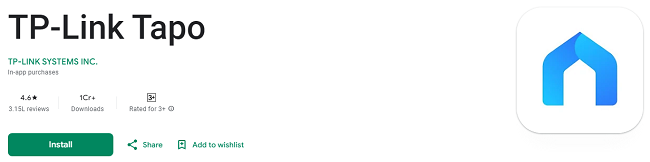
TP-Link Tapo App for Windows 7/8/10/11 PC - Free Download
The TP-Link Tapo app has gained immense popularity for its ability to control and manage smart devices effortlessly. While the app is primarily designed for mobile platforms, many users wish to use it on their Windows PC for enhanced convenience and a better viewing experience. In this guide, we will explore how to install and use the TP-Link Tapo app on a Windows PC, along with tips to make the most of your smart home setup.
Why Use the Tapo App on a Windows PC?
Although the Tapo app is developed for mobile devices, using it on a Windows PC offers several benefits:
Larger Screen: Manage your smart devices and view camera feeds on a bigger screen for improved visibility.
Multi-Tasking: Use the app while performing other tasks on your computer.
Convenience: Control smart devices without constantly switching to your mobile phone.
Enhanced Workflow: Integrate the app into your daily desktop setup for seamless access.
How to Install TP-Link Tapo App for Windows 7/8/10/11 PC?
To run the Tapo app on a Windows PC, you’ll need to use an Android emulator. Emulators mimic an Android environment on your computer, allowing you to install and use mobile apps.
Step 1: Choose an Android Emulator
Several reliable Android emulators are available for Windows. Here are some popular options:
BlueStacks: One of the most popular and user-friendly emulators.
NoxPlayer: Lightweight and optimized for gaming and apps.
LDPlayer: Known for its stability and compatibility with most Android apps.
For this guide, we’ll use BlueStacks as an example, but the steps are similar for other emulators.
Step 2: Download and Install BlueStacks
Open your web browser and visit the official BlueStacks website: www.bluestacks.com.
Click on the Download BlueStacks button.
Once the installer is downloaded, double-click on it to start the installation process.
Follow the on-screen instructions to complete the installation.
Launch BlueStacks after the installation is complete.
Step 3: Set Up BlueStacks
When you launch BlueStacks for the first time, you’ll need to sign in with your Google account to access the Google Play Store.
Enter your Google credentials and complete the setup process.
Step 4: Download the Tapo App
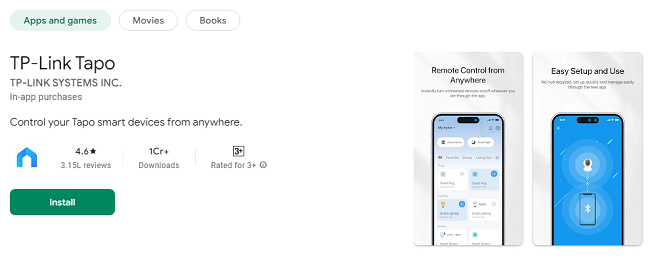
In BlueStacks, open the Google Play Store.
Search for “TP-Link Tapo” in the search bar.
Locate the app developed by TP-Link Corporation Limited.
Click on Install to download and install the app on the emulator.
Step 5: Launch the Tapo App
Once installed, go to the BlueStacks home screen.
Click on the Tapo app icon to launch it.
Log in with your TP-Link account credentials or create a new account if you don’t have one.
Using the Tapo App on Windows PC
After successfully installing the Tapo app, you can start managing your smart devices. Here are the primary functions and how to use them:
1. Add Devices
Click the + icon in the app to add a new Tapo device.
Follow the on-screen instructions to pair your device with the app.
Ensure your PC and Tapo device are connected to the same Wi-Fi network during setup.
2. Manage Devices
Access and control all your connected devices from the app’s home screen.
Turn devices on/off, adjust settings, and monitor their status in real-time.
3. Monitor Camera Feeds
If you have Tapo security cameras, use the app to view live feeds.
Switch between different cameras, zoom in for a closer look, or review recorded footage.
4. Schedule and Automate
Create schedules to turn devices on or off automatically.
Use automation rules to enhance convenience and save energy.
5. Customize Settings
Adjust device-specific settings such as brightness, timer, and motion detection sensitivity.
Update firmware directly through the app to ensure your devices are running the latest features.
Troubleshooting Common Issues
While using the Tapo app on a Windows PC, you might encounter some issues. Here’s how to resolve them:
1. Emulator Performance Issues
Ensure your PC meets the emulator’s minimum system requirements.
Close unnecessary applications to free up system resources.
Update the emulator to the latest version.
2. App Crashing or Not Loading
Clear the app cache in the emulator settings.
Reinstall the app if the problem persists.
3. Connectivity Problems
Check your Wi-Fi connection and ensure it’s stable.
Restart your PC and the Tapo device.
Make sure the emulator has the necessary network permissions.
Tips for Optimizing Your Experience
Use Keyboard Shortcuts: Many emulators allow you to map keyboard shortcuts for app functions, making navigation easier.
Enable High-Performance Mode: Adjust emulator settings to optimize performance, especially for monitoring multiple cameras.
Keep Software Updated: Regularly update both the emulator and the Tapo app for better compatibility and performance.
Utilize Cloud Storage: For cameras, enable cloud storage to access recordings even when using the app on different devices.
Alternatives to Using an Emulator
If you prefer not to use an emulator, consider these alternatives:
Web-Based Solutions: TP-Link offers web-based interfaces for some devices. Check if your Tapo devices are compatible with browser-based controls.
Third-Party Software: Some third-party apps may allow you to control TP-Link devices on Windows directly, but ensure they are secure and trustworthy.
Official PC Version (If Available): Keep an eye on TP-Link’s official announcements for potential PC versions of the Tapo app.
Conclusion
Installing and using the TP-Link Tapo app on a Windows PC can significantly enhance your smart home experience. With the help of an Android emulator, you can easily control and monitor your devices from the comfort of your desktop. Whether you’re managing smart plugs, lighting, or security cameras, this setup provides flexibility, convenience, and a larger interface for better control.
By following this guide, you’ll have the Tapo app running on your Windows PC in no time. Explore its features and optimize your smart home setup to make your life easier and more connected.
Updates